
Safe and Effective Therapy in Dickinson, ND
Welcome to Ouellette Chiropractic!
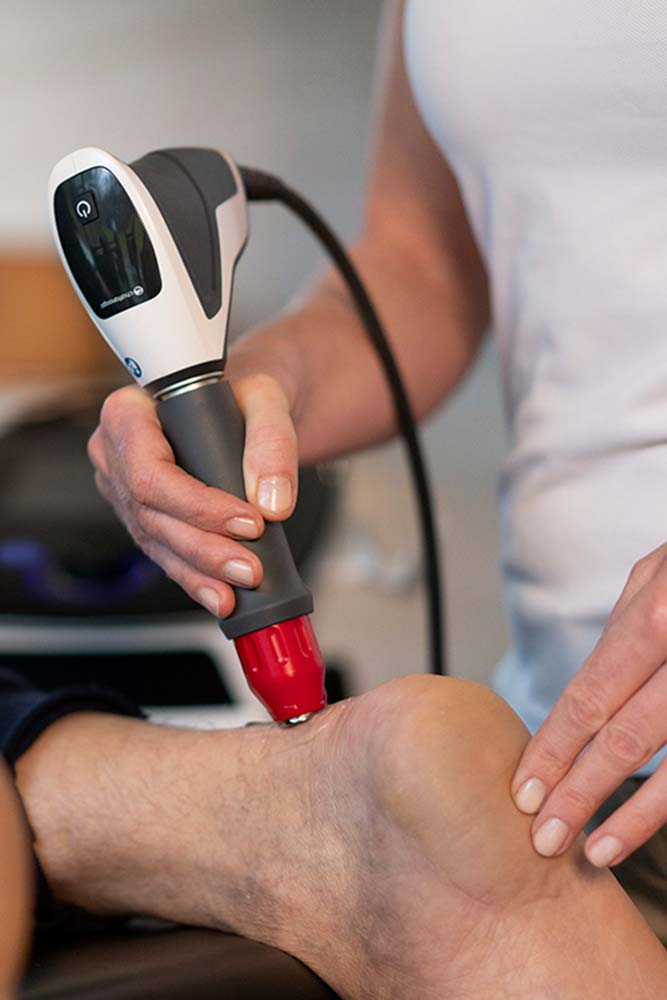
Shockwave Therapy (Radial Pressure Wave Therapy): A Helping Hand in Your Recovery
Radial Pressure Waves (RPW) are acoustic waves that generate oscillations in the tissue. Radial pressure wave therapy helps reduce muscle pain and activate connective tissue, temporarily aid in the increase of blood flow, and help in the treatment of tendinitis in hips and shoulders and helps to improve pain in various musculoskeletal conditions.
Patients may report feeling soreness and a thumping sensation when the treatment head passes over dysfunctional tissues. Patients report feeling very little discomfort when it actively travels over healthy tissue. The level of discomfort depends on the area being treated, the settings on the device, and the acuity of the condition. Minor post-treatment soreness around the involved area is not uncommon.
How long do treatments last?
About 10 minutes
How many treatments will I need?
You should notice something after 3-4 weeks; you may need potentially up to 10 treatments.
Shockwave Therapy: The Definition of Healing Energy
Shockwave therapy utilizes piezo technology, wherein a mosaic of crystals produces miniscule shockwaves in response to becoming briefly energized. The shockwave therapy applicator directs a series of rapid, gentle pulses deep within the patient’s soft tissues where they have three primary therapeutic effects:
- Enhanced blood flow, which supplies nutrients that accelerate natural healing in injured tissues
- Increased production of growth hormones, which the body uses to replace and repair injured tissues
- Breakdown of calcium deposits, which commonly accumulate within tendons and muscles
As a noninvasive regenerative therapeutic modality with very few known side effects, shockwave therapy excels at treating a wide range of conditions, including
- Shin splints
- Tendinopathy
- Muscle sprain
- Jumper’s knee
- Plantar fasciitis
- Lateral hip pain
- Frozen shoulder
- Piriformis syndrome
- Low back/thoracic pain
- Epicondylitis (tennis elbow)
- Muscular cramps and spasms
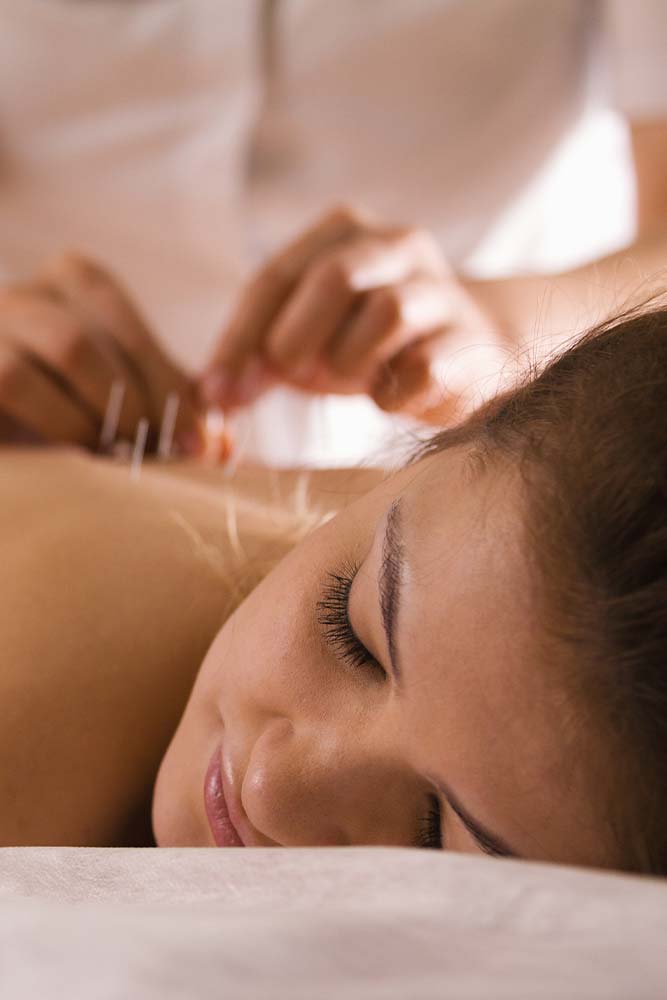
Dr. Michelle has practiced acupuncture professionally since 1995. She has witnessed its dramatic effects on her patients time and time again, and has successfully administered acupuncture to improve patients’ overall wellness and reduce their feelings of stress. She has also performed acupuncture as treatment for a wide range of health conditions, including fibromyalgia, migraine, low back pain, osteoarthritis, menstrual cramps, and sports injuries.
Eastern and Western explanations for acupuncture’s effectiveness as a treatment for so many health conditions vary greatly. Whether either is correct is beside the point. By carefully guiding sterile, drug-free needles into their patient’s skin at certain predefined points, an acupuncturist is able to stimulate the production of hormones, neurotransmitters, and natural painkillers that all have a marked positive impact throughout the central nervous system and other parts of the body.
How Does Acupuncture Function?
In light of the multitude of toxins in our diverse environments, it is crucial that our bodies possess the capability to effectively respond to and address these challenges. While there may be variations in explanations for acupuncture from both traditional and Western perspectives, the core concept revolves around adapting our body to its surroundings. Over millennia of exploration, specific points on the body have been identified that exert a profound influence on our overall physiological functions. Typically, fine needles are delicately positioned at these points to activate various facets of our hormonal, immune, and endocrine systems, depending on the desired outcome. Once these systems are stimulated, a variety of neurotransmitters, natural pain-relievers, and hormones are released. Patients Ouellette Chiropractic have reported experiencing the following benefits following acupuncture sessions:
- Reduction in muscle spasms and pain.
- Diminished swelling at various points on the body.
- General alleviation of pain.
- Lower incidence of illnesses due to immune system stimulation.
- Reduced levels of back and neck discomfort.
- Fewer occurrences of headaches.
- Enhanced digestive function.
- Overall improvement in sleep quality.
- Reduced incidence of injuries during recreational sports activities.
- Fewer reported gynecological issues in females.
Ultrasound Therapy
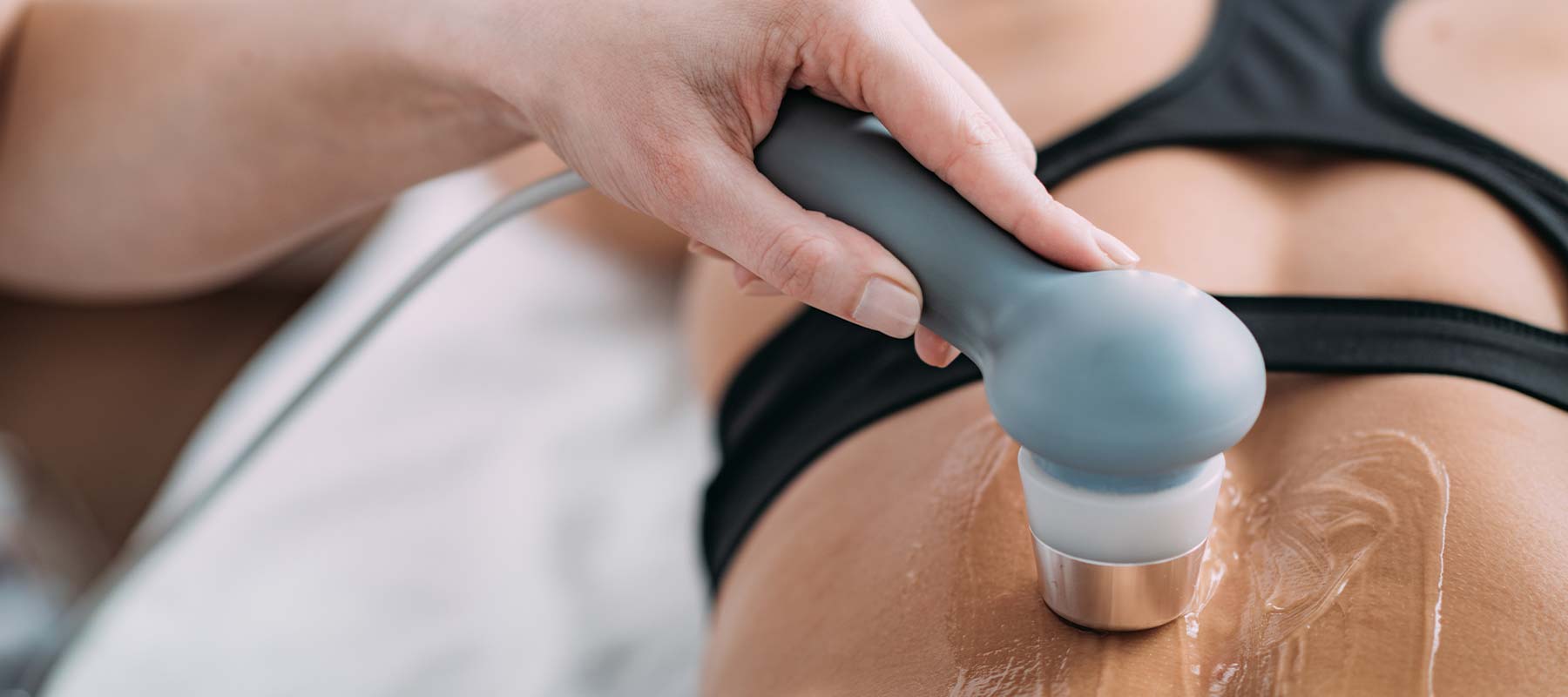
Ultrasound therapy, also known as sonography or ultrasonography, utilizes extremely high-frequency sound waves that fall beyond the range of human hearing. Despite being inaudible, these waves offer significant advantages. These waves contribute to the rehabilitation of tendons, joints, and muscles.
What Conditions Can Ultrasound Therapy Address? Ultrasound therapy proves particularly beneficial in addressing a range of issues concerning the back and neck, encompassing conditions such as whiplash, muscle strains, back pain, and even arthritis. Beyond these advantages, it excels at mitigating muscle soreness that can accompany efforts to enhance mobility and expand one’s range of motion. The deep-penetrating warmth generated by ultrasound therapy not only stimulates the body’s innate healing mechanisms but also enhances circulation while alleviating stiffness.
Often, it complements other therapeutic approaches to maximize benefits. These may involve chiropractic adjustments, physical therapy, massage, stretching, heat therapy, and other recommendations from your chiropractor or healthcare provider.
Conditions That May Benefit from Ultrasound Therapy
Therapeutic ultrasound can offer relief for various soft tissue injuries, and your chiropractor typically determines its appropriateness through a comprehensive physical assessment. An article in Rheumatology highlights that many individuals appreciate the effects of this treatment, particularly when the thermal component is employed. Therapeutic ultrasound may be incorporated into an overarching treatment plan when specific conditions warrant it.
- Carpal tunnel syndrome
- Shoulder pain, including frozen shoulder—a condition limiting range of motion
- Bursitis—inflammation surrounding joints
- Chronic pain
- Tendonitis
- Ligament strains
- Muscle sprains
- Joint tightness
- Delayed-onset muscle soreness
What Is Interferential Current Therapy?
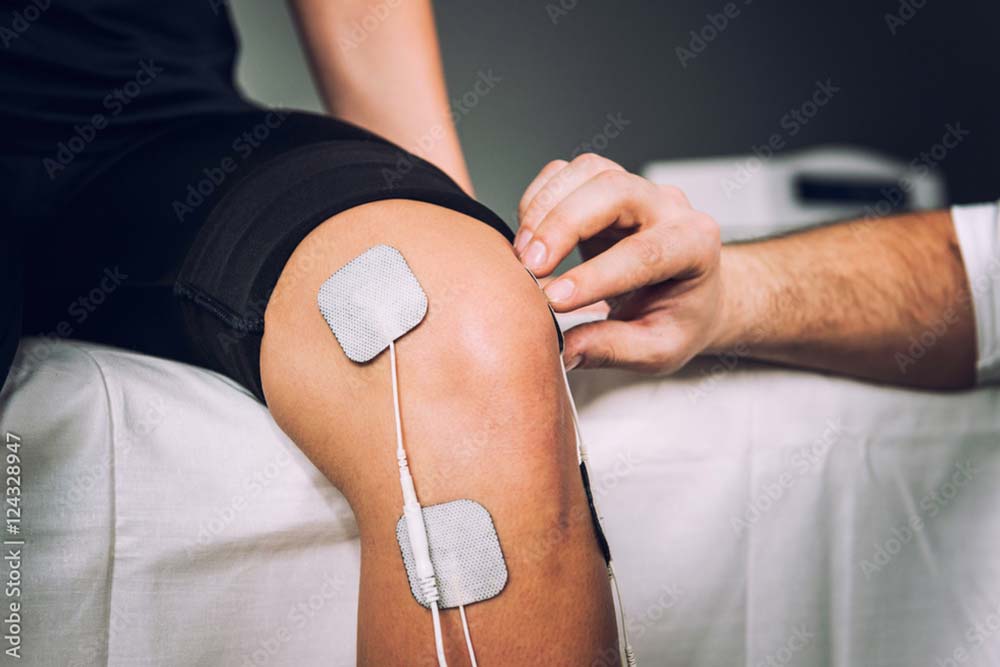
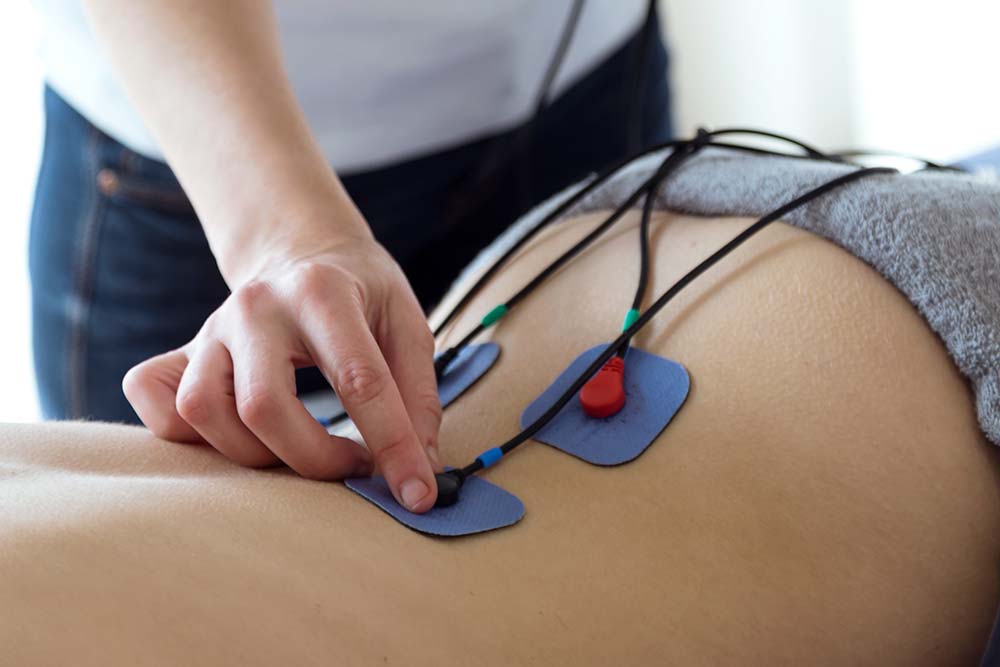
This noninvasive, medication-free therapy is associated with minimal side effects. By harnessing higher-frequency energy relative to other EMS methods, ICT permeates deeply beneath the skin’s surface where it addresses the root cause of pain – without causing discomfort.
How Does ICT Work?
ICT directs precise electrical stimulation to damaged tissues, enhancing the body’s natural response to pain. It boosts blood flow and the production of healing hormones in the process.
ICT employs two frequencies: one is approximately 4000 Hz, while the other varies up to 400 Hz. Interference results when these currents intersect (hence the name of the therapy). Can adjust these frequencies during sessions.
This unique approach allows the interferential current to reach deep into muscles and nerves, making ICT a potent, targeted therapy with minimal discomfort compared to low-frequency stimulation.
What Can ICT Treat?
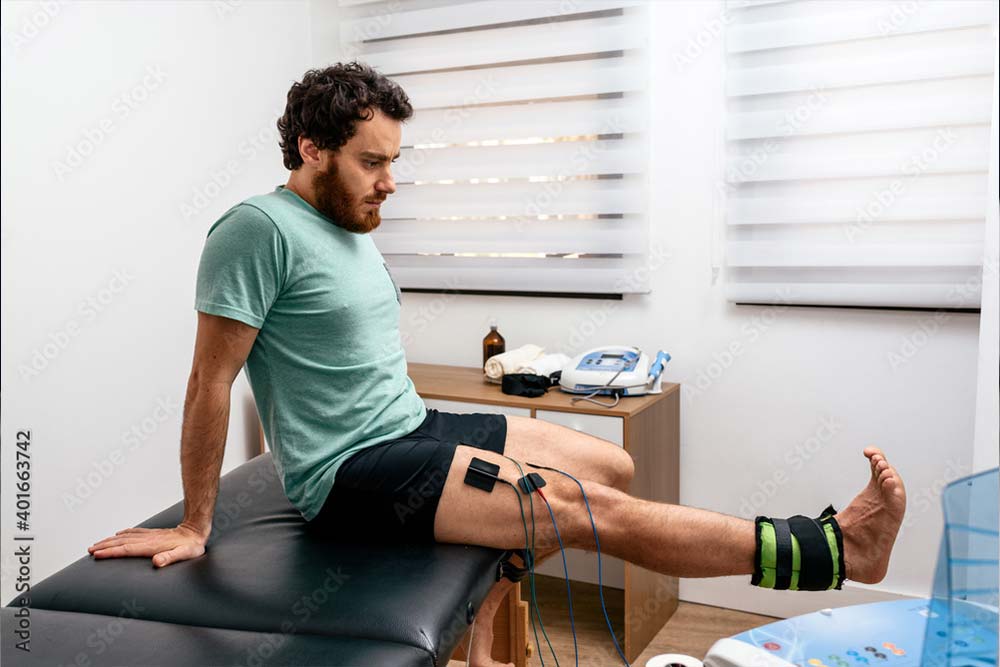
ICT alleviates discomfort, accelerates healing and promotes quick recovery by directing stimulation deep into localized areas of the body, including the neck, back, shoulders and knees. It is often integrated into comprehensive treatment plans alongside chiropractic care and physiotherapy. In some cases, ICT is an essential component of a patient’s pain management program.
What Are the Advantages of ICT?
What Should You Expect When You Get ICT?
ICT is a safe and comfortable treatment. Many patients report experiencing less discomfort and fewer side effects compared to other EMS methods. They often describe the sensation as a gentle tingling or “pins and needles” feeling on the skin.
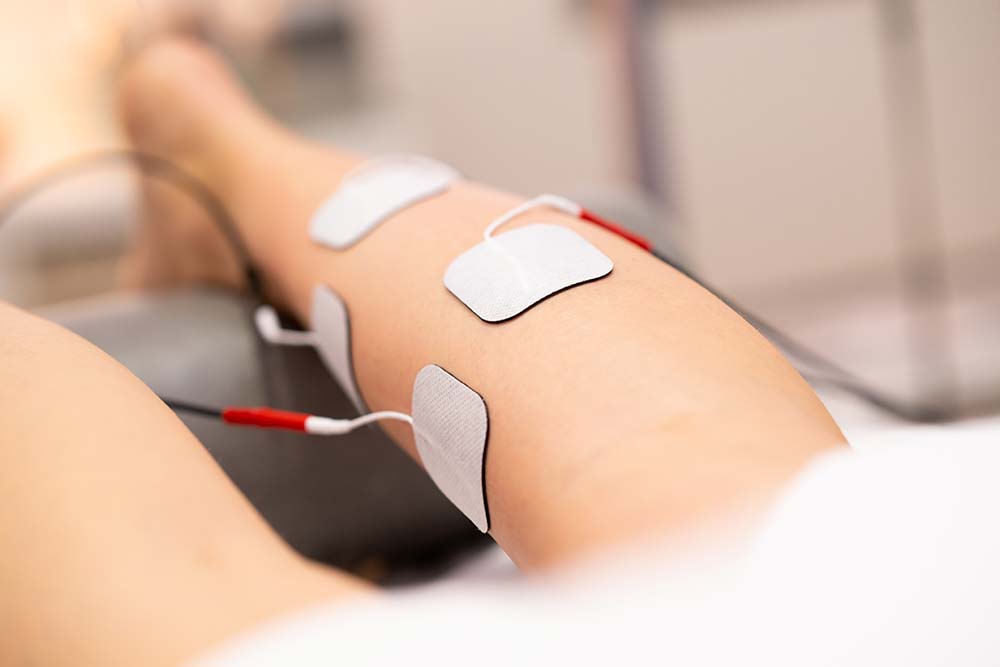
A typical ICT session lasts approximately 20 minutes. Dr. Michelle begins by attaching four electrode pads to the targeted area. Wires connect the pads to the current intensity regulator device, which ensures correct delivery of the required frequencies.


Who Is ICT Not Recommended For?
Contact Ouellette Chiropractic today to learn more about our selection of therapeutic techniques!


Clinic
745 State Ave Suite A
Dickinson, North Dakota 58601

Hours
Mon. 8:00am-6:00pm
Tue. Office Hours Vary
Wed. 8:00am-5:30pm
Thur. 8:00am-3:00pm
Fri. Office Hours Vary
Sat. CLOSED
Sun. CLOSED